Household presents
Optimizing Temporary Comfort: Selecting Portable Aircon for Your Space
Cooling a marquee, site office or renovation zone for a few days or weeks? Compare portable aircon types, sizing factors and smart rental questions.
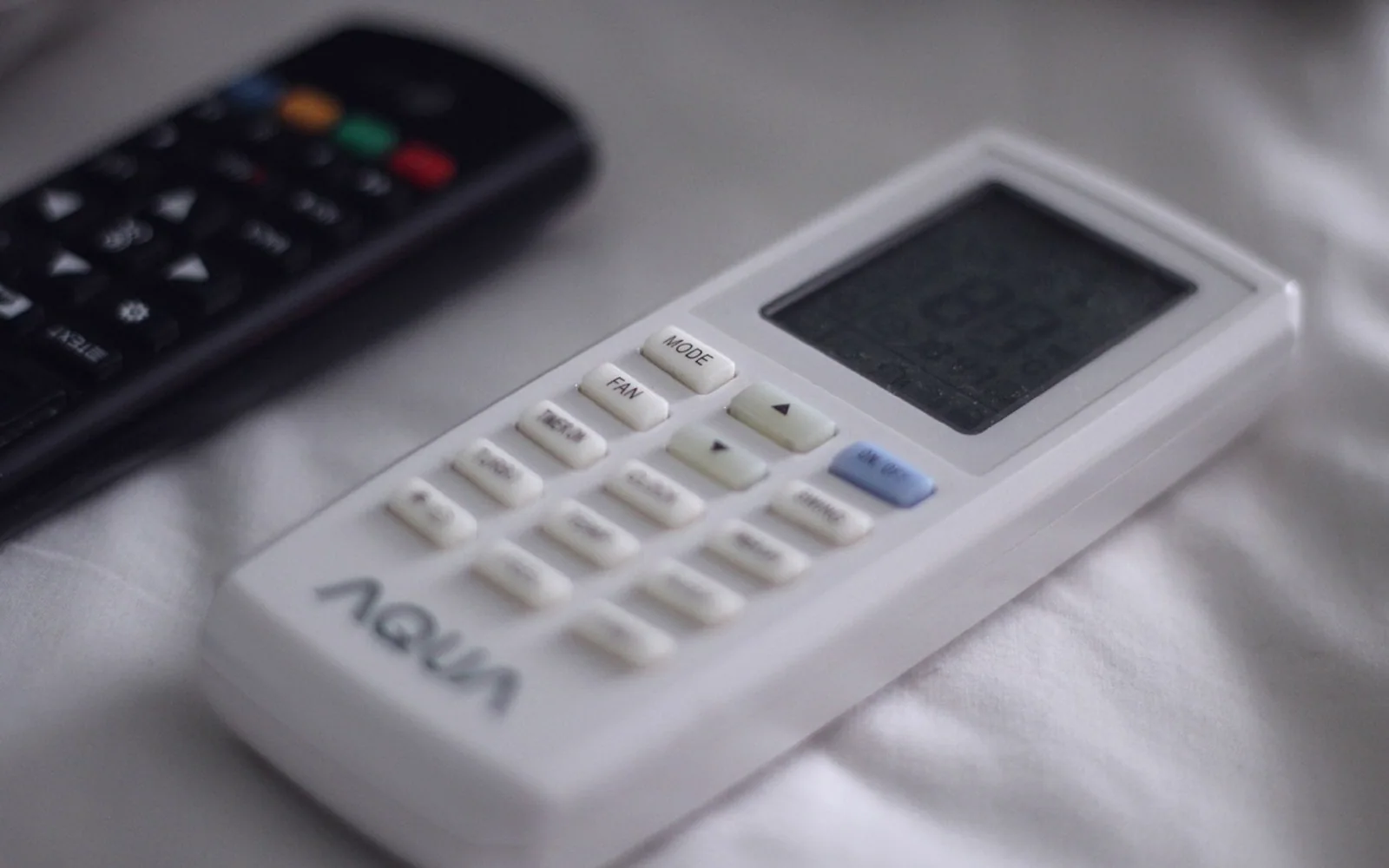
Heat rarely waits for a building to be finished. A tent goes up for a weekend launch, a team moves into a temporary office while the main floor is refitted, or a storeroom full of equipment starts running warm. In all of these cases a permanent system is either missing or switched off, yet people and machines still need a steady temperature. Portable air conditioning fills that gap, and choosing the right setup is mostly a matter of matching the unit to the room and the way it will be used.
Know the main unit types
| Type | How it works | Good fit |
|---|---|---|
| Single-hose portable | Pulls room air over a coil and vents heat through one duct | Small offices, bedrooms, short events |
| Dual-hose portable | Uses one duct for outside intake and one for exhaust | Larger rooms where steady cooling matters |
| Spot or industrial cooler | Directs cold air through flexible trunks to a target area | Workshops, server corners, stages |
| Evaporative cooler | Cools air by passing it over wet pads | Dry, open, well-ventilated spaces |
In a humid climate, units that actually remove moisture tend to feel more comfortable than evaporative models, which add humidity to the air.
Factors that decide the size
Floor area is only the starting point. Ceiling height, the number of people in the room, glass walls facing the afternoon sun and heat-producing equipment such as lighting rigs or computers all push the requirement up. A canvas marquee absorbs and leaks heat differently from a concrete room. Rather than guessing, describe the space honestly to the supplier, including how many guests will be there at peak times and how long doors will stay open. Too little capacity leaves a unit labouring all afternoon while the room stays stuffy, whereas too much may cycle on and off and leave the air clammy.
Questions to put to a rental company
- Can someone visit or review photos to recommend the right capacity?
- Is delivery, installation and collection included, and at what times?
- How is hot air vented, and will the venue's windows or tent walls allow it?
- What power supply does each unit need, and how many can share a circuit?
- Who handles condensate drainage, and is a technician on call if a unit stops?
Businesses and event planners who look for aircon rental Singapore services tend to value exactly this kind of package, where the provider sizes the units, brings them on site and takes them away again once the job is done.
Placement and daily running
Position units where air can circulate freely, away from curtains and away from the main walkway so trailing ducts do not become a trip hazard. Close blinds on sun-facing sides and switch the units on before guests or staff arrive, since cooling a hot room from scratch takes time. Check drainage regularly and keep filters clean if the rental lasts more than a few days. Small habits like these make temporary cooling quieter, more efficient and far more pleasant for everyone inside.
Scribbled on the inside cover
Why our guides wander from the sofa to the kitchen
A good evening at home is never only about the screen. It is the snack bowl within reach, a room that is not too hot or too loud, and a host who is not stuck fiddling with a cable when guests arrive. That is why a soundbar guide can sit next to a piece on window glass here.
We write for the person about to try something this weekend, so we keep steps short, warnings close to the step they belong to and opinions clearly labelled as ours.
Fennimore, Clementia, Wendeline and Corwin