Travel presents
Sushi and Ramen for Health-Conscious Diners: Ordering With Confidence
Enjoy sushi and ramen while keeping an eye on balance: smart menu picks, broth and sauce tips, allergy questions and when to check with a doctor first.
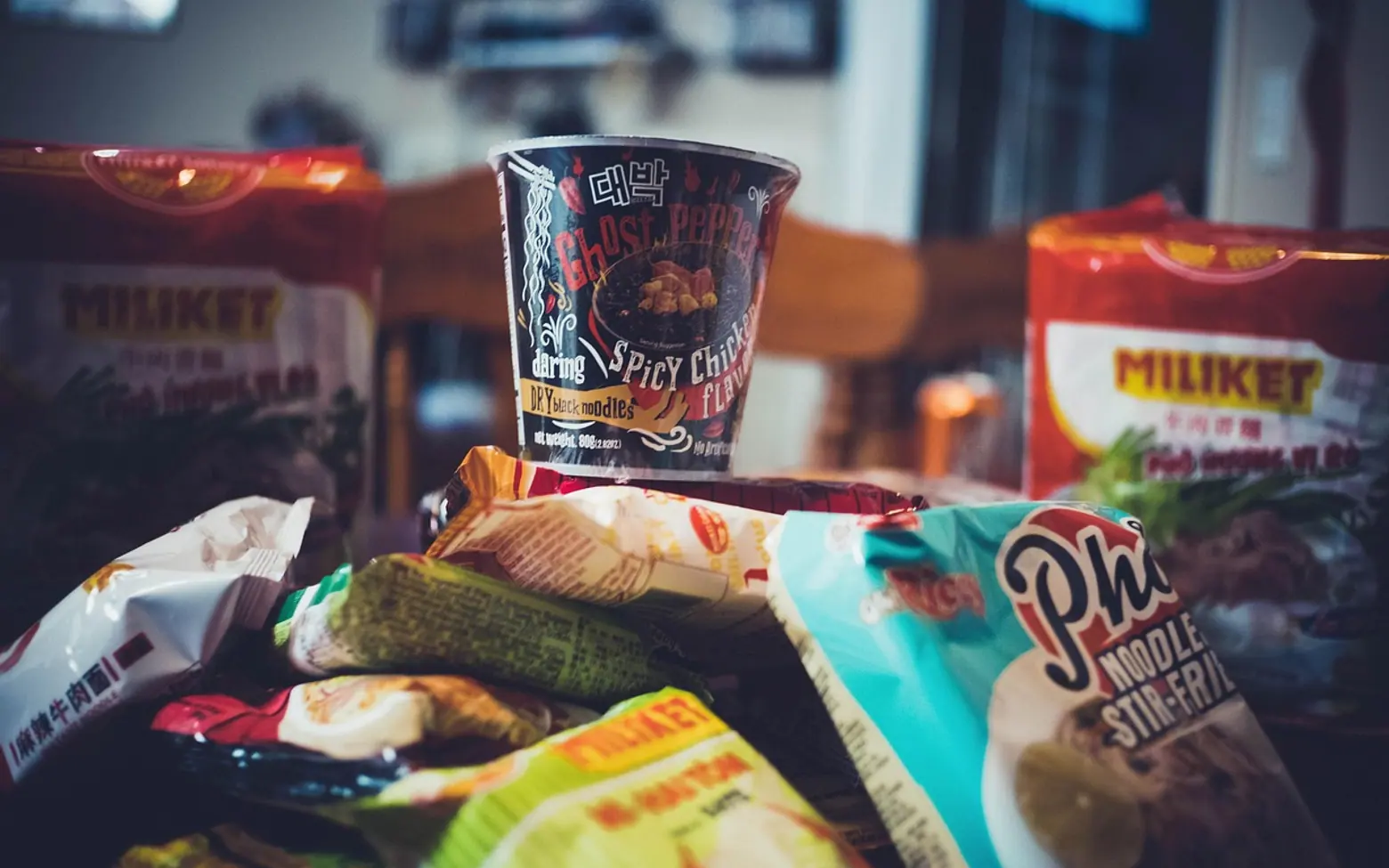
Japanese comfort food has a reputation for being light, and much of it is. Still, a plate of tempura rolls followed by a rich bowl of tonkotsu is a very different meal from a few pieces of nigiri and a miso soup. Diners who like to eat with some awareness of balance do not need to give up either dish. They simply benefit from knowing which choices on a typical menu lean lighter and which ones are better saved for an indulgent night out.
Reading a sushi menu
Sushi ranges from very simple to quite elaborate. Sashimi is fish on its own, which keeps the plate high in protein and low in rice. Nigiri pairs a small mound of rice with a single slice of fish, so portions are easy to judge. Maki and inside-out rolls vary most: cucumber, avocado or pickled radish fillings stay light, while rolls with fried elements, cream cheese or heavy mayonnaise sauces add up quickly. Seaweed salad, edamame and clear soups make good companions.
Sitting at the counter of a good sushi restaurant is one of the nicest ways to order thoughtfully, since the chefs can suggest seasonal fish, explain how each piece is prepared and adjust rice portions or sauces when asked.
Building a balanced ramen bowl
| Element | Lighter direction | Richer direction |
|---|---|---|
| Broth | Shio or shoyu, often clearer | Tonkotsu or miso with added fat |
| Protein | Chicken, tofu or a soft egg | Extra slices of pork belly |
| Toppings | Greens, bean sprouts, spring onion, seaweed | Butter, fried garlic oil, extra cheese |
| Noodles | Standard portion, shared side dish | Extra noodle refill |
Broth is where much of the salt lives. Enjoying the noodles and toppings while leaving some of the soup in the bowl is a simple way to keep a hearty meal more moderate.
Sauces, salt and small habits
Soy sauce, teriyaki glazes and spicy mayonnaise bring a lot of flavour in a small amount. Dipping the fish side of nigiri lightly, rather than soaking the rice, uses less sauce and keeps the rice intact. Many restaurants offer reduced-salt soy sauce on request. Pickled ginger works as a palate cleanser between pieces, and green tea or water makes a refreshing partner to a salty meal.
Questions worth asking
- Does this dish contain shellfish, sesame, gluten or egg? Allergies deserve a direct question, not an assumption.
- Is this fish raw, seared or cooked? Some diners prefer or need cooked options.
- Can the sauce be served on the side?
- Is there a smaller portion or half bowl available?
A note on individual needs
Everyone's body and circumstances differ. People who are pregnant, have a weakened immune system or follow a salt-restricted diet should check with a doctor or registered dietitian about raw fish and high-sodium dishes before ordering. For most diners, though, a little curiosity at the table is all it takes to enjoy both sushi and ramen as part of a varied way of eating.
Scribbled on the inside cover
Why our guides wander from the sofa to the kitchen
A good evening at home is never only about the screen. It is the snack bowl within reach, a room that is not too hot or too loud, and a host who is not stuck fiddling with a cable when guests arrive. That is why a soundbar guide can sit next to a piece on window glass here.
We write for the person about to try something this weekend, so we keep steps short, warnings close to the step they belong to and opinions clearly labelled as ours.
Fennimore, Clementia, Wendeline and Corwin