Entertainment presents
Live Music in Seoul: From Indie Clubs to Concert Halls
A practical look at live music in Seoul: indie clubs and live houses, buskers, jazz bars, big arenas, how tickets and age checks work, and gig etiquette.
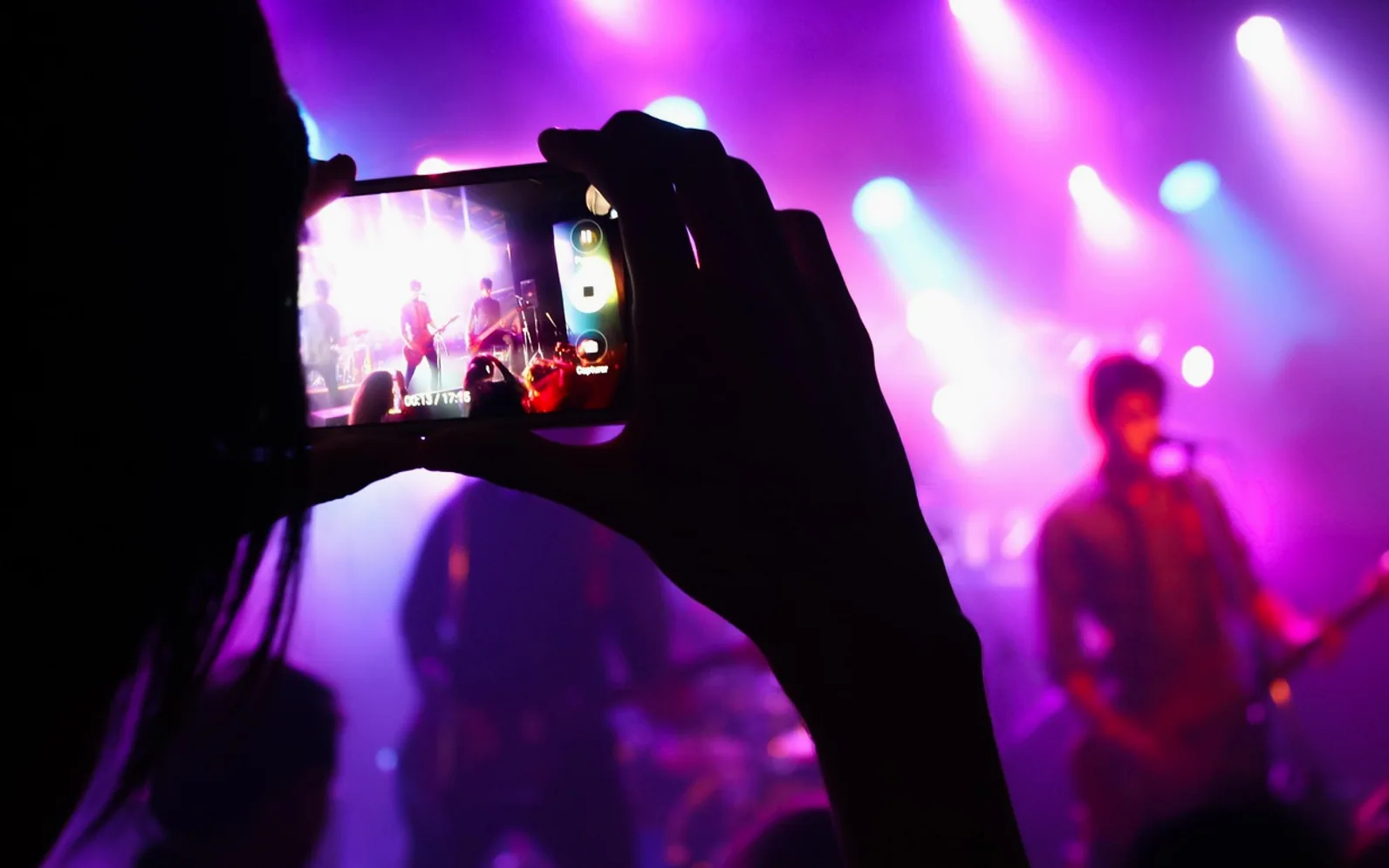
Live music in Seoul comes in layers. At street level there are buskers in the university districts; one floor down there are small live houses where local bands play to a few dozen people; around the corner sit quiet jazz bars; and on the edges of the city stand concert halls and arenas that host large tours. Most visitors only hear about the last group, yet the smaller rooms are where a lot of the city's musical character lives, and they are far easier to walk into on a whim.
The indie clubs and live houses
The independent scene is concentrated in a handful of neighbourhoods near universities, where rents for basement spaces have historically been lower and the audience is young. A typical live house is a compact room with a low stage, a small bar at the back and a sound desk squeezed into a corner. Evenings usually feature several acts in a row, so a single entry covers punk, indie pop, shoegaze or folk in the same night.
Line-ups are often posted on the venues' social media pages rather than on big ticketing platforms, and many shows sell entry at the door. That makes the scene friendly to spontaneous plans: check what is on during the afternoon, arrive a little before the stated start, and expect the running order to shift slightly once the night begins.
What a small show feels like
Crowds at these gigs tend to be attentive. People film a little, cheer loudly between songs and stay relatively quiet while a band is playing, especially during slower sets.
Buskers in the university districts
On warm evenings, the pedestrian streets around the student areas fill with performers. Some are solo singers with a guitar and a small amplifier; others are full dance crews working through choreography to recorded tracks. Watching is free, and audiences often form loose semicircles that grow as the set goes on.
- Stand to the side rather than blocking shop entrances or the walking path.
- Ask before filming close up if the performer seems to prefer it; many are happy to be recorded, some are not.
- If there is an open guitar case or a QR code for tips and you enjoyed the set, a small contribution is appreciated.
Jazz bars and listening rooms
For a slower evening, the city has a steady scattering of jazz bars, some long-established and some newer. These rooms reward a quieter mood. Conversations drop to a murmur during solos, and applause after each one is part of the ritual.
Many of these bars ask guests to order at least one drink or charge a modest music fee on top. If you are having alcohol, pace yourself, keep an eye on your friends and plan a ride home that does not involve anyone behind the wheel after drinking.
Concert halls, arenas and big tours
Large shows, from K-pop tours to visiting international acts and classical orchestras, play in dedicated concert halls, sports arenas and stadium complexes. These operate in a completely different way from the clubs.
| Format | How tickets usually work | What to expect at the door |
|---|---|---|
| Indie club or live house | Door sales or advance booking via the venue's own channels | Quick entry, sometimes an ID check if alcohol is served |
| Jazz bar | Usually no ticket; a drink order or music fee instead | Seating on arrival, limited space on busy nights |
| Concert hall | Advance sale through major ticket platforms, assigned seats | Bag rules, timed entry, staff guiding to sections |
| Arena or stadium tour | High-demand sale windows, sometimes with fan-club presales | Identity checks against the booking name, long queues |
For in-demand tours, tickets can disappear within minutes, and some platforms require a local phone number or have limited foreign-language support. Organisers increasingly match the name on the ticket against a photo ID at entry, so buying from unofficial resellers carries a real risk of being turned away.
Age limits and ID
Korea uses its own legal age rules for alcohol and late-night venues, and they do not always line up with what visitors are used to at home. Clubs and bars that serve alcohol may refuse entry to anyone under the legal drinking age, and staff often check passports or ID cards at the door. Concerts in halls and arenas are usually all-ages, although organisers can set their own limits for specific shows. Carry your passport or a recognised ID, and check each event's own conditions before you go.
Etiquette worth knowing
- Arrive on time for seated shows. Late entry may be held until a break between songs.
- Follow the recording rules. Some concerts ban filming entirely; others allow phones only during certain songs.
- Look after your hearing. Small rooms get loud, and a simple pair of earplugs makes a long night more comfortable. Keep your in-ear gear tidy too; a guide to cleaning earbuds and headphones safely covers the basics.
- Respect the light-stick culture. At pop shows, fans often coordinate colours and chants. Joining in is welcome; drowning it out is not.
When the gig ends, the singing starts
A familiar pattern after a show is a group of friends drifting into a karaoke room, still humming the encore. Noraebang, the Korean name for a karaoke room, is a private booth rented by the hour, with song books, two microphones and a screen. Groups often start with the songs they just heard live, then drift into older favourites.
If you want to plan that part of the evening in Gangnam, Korean-language guides under the search term 강남가라오케 list karaoke options in the area and give a sense of how private rooms are booked for groups.
Common questions
Do you need to speak Korean to enjoy a small show?
No. Music carries across languages; a translation app helps with venue posts and line-up announcements.
Is it easy to find shows at short notice?
For clubs and jazz bars, usually yes. For arena tours, plan well ahead and be ready for a fast sale.
What should a first-timer pack?
Photo ID, earplugs, a charged phone with the venue address saved, and a light layer for the walk home. If the trip to Seoul involves a long-haul flight, a few ideas on making a long flight go faster help you arrive with enough energy for a late night.
Seoul's music scene rewards curiosity. Pick one evening for a live house, another for a jazz bar, and let the big concert be the bonus rather than the whole plan.
Scribbled on the inside cover
Why our guides wander from the sofa to the kitchen
A good evening at home is never only about the screen. It is the snack bowl within reach, a room that is not too hot or too loud, and a host who is not stuck fiddling with a cable when guests arrive. That is why a soundbar guide can sit next to a piece on window glass here.
We write for the person about to try something this weekend, so we keep steps short, warnings close to the step they belong to and opinions clearly labelled as ours.
Fennimore, Clementia, Wendeline and Corwin