Hobby presents
How to Clean Coins Without Wrecking Their Value
How to clean coins safely: when to leave them alone, gentle soaking for everyday change, cleaning pennies, handling and storage, and what collectors avoid.
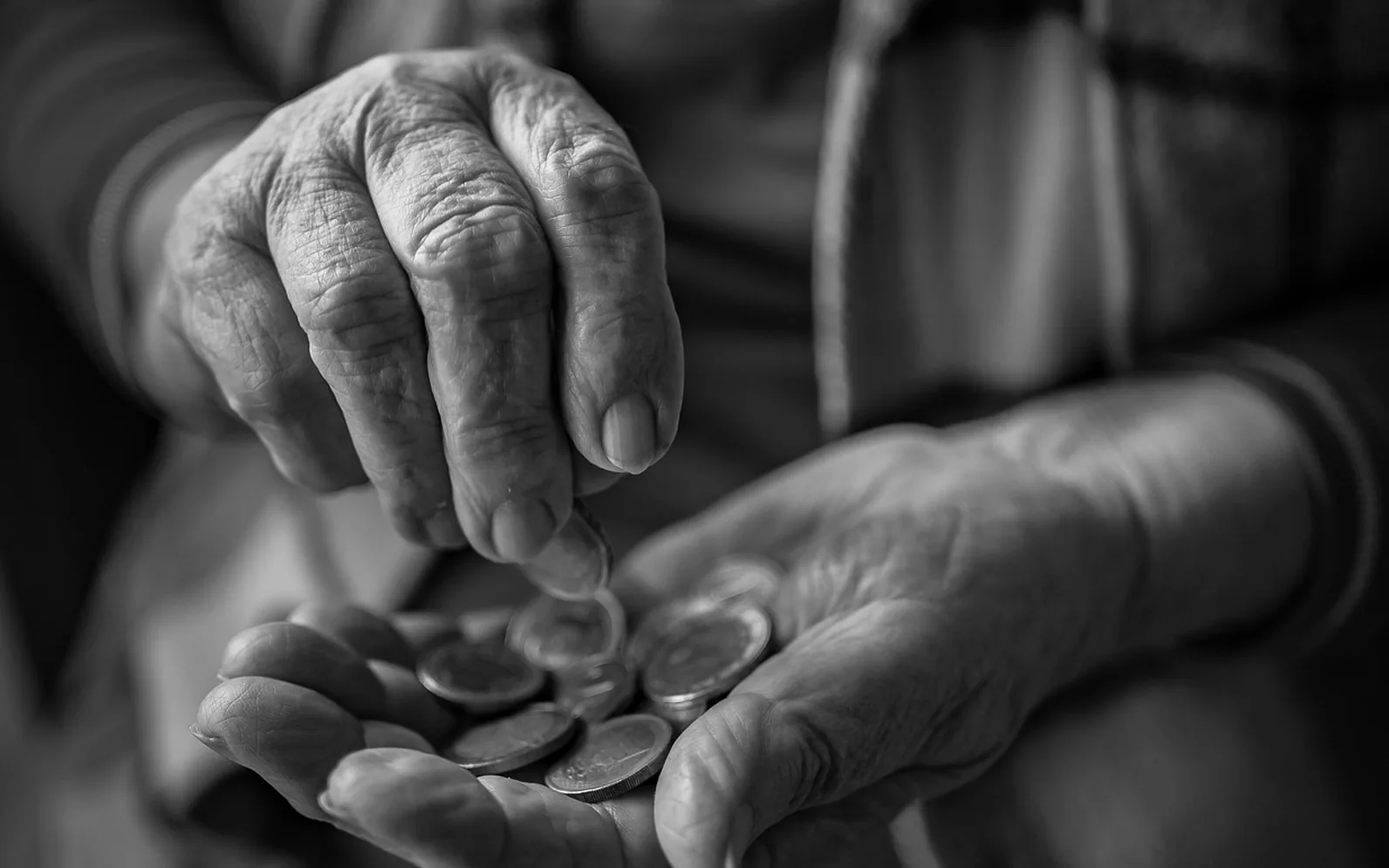
The first rule of cleaning coins is a surprising one: if a coin might have collector value, do not clean it at all. Cleaning removes the natural toning on the surface and leaves tiny scratches that experienced buyers spot at once, which usually lowers the price. For everyday change, pocket finds and coins you simply want to look nicer, a soak in warm water with a little mild soap, a gentle rub with your fingers and a careful pat dry is enough.
Decide first: clean or leave it?
Old coins carry a layer of toning built up over years. On silver it can be golden, blue or grey; on copper it turns brown. To a collector, that surface is part of the coin's history, and an even, original look is often worth more than brightness. Polish it away and it cannot be put back.
| Type of coin | Suggested approach |
|---|---|
| Possibly rare, old or valuable | Do not clean. Ask a reputable dealer or a local coin club first. |
| Inherited collection of unknown value | Leave as found, store safely and get an opinion before doing anything. |
| Ordinary circulating change | Gentle soap-and-water soak is fine. |
| Crusty finds from a garden or field | Long soak in distilled water, no scrubbing; seek advice if the coin looks old. |
| Coins for a craft or a school experiment | Any of the household methods below. |
The gentlest method for everyday coins
- Wash your hands and hold coins by the edges; skin oils leave fingerprints that can etch into the surface over time.
- Soak the coins in a bowl of warm distilled water with a few drops of mild washing-up liquid for a few hours or overnight. Keep different metals in separate bowls.
- Rub lightly between your thumb and finger under the water. Avoid brushes on anything you care about; even soft bristles can leave fine lines.
- Rinse in clean distilled water to remove soap.
- Pat dry with a soft, lint-free cloth, then let the coins air-dry fully on a towel before storing. Do not rub.
The same least-force-first idea applies to other delicate surfaces at home; it is the approach behind cleaning a TV screen without streaks too.
How to clean pennies
Copper coins dull quickly, and making them shine is a favourite kitchen experiment. A mild acid combined with salt removes the dark copper oxide layer. Common household versions include a soak in white vinegar with a pinch of salt, or a coating of ketchup left for a few minutes. Rinse thoroughly afterwards, because leftover acid and salt keep reacting and can turn the coin blotchy or green. Treat this as a fun project for ordinary pennies only: the bright, pinkish result looks nothing like a naturally aged coin and is unwelcome on anything collectable. Many modern pennies have a thin copper plating over a zinc core, and harsh or long treatments can wear through it.
Methods collectors avoid
- Metal polish and silver dips. They strip the surface layer and leave an unnatural shine.
- Baking soda pastes and toothpaste. Both are abrasive and scratch the fields of the coin.
- Wire brushes, erasers and scouring pads. They leave obvious hairline scratches.
- Ultrasonic jewellery cleaners and tumblers. Fine for some jobs, risky for coins.
- Picking at crust with metal tools. If soaking does not loosen it, the coin is best left as it is or shown to someone experienced.
Finds from the ground
Coins dug up in gardens or fields often carry soil, encrustation and corrosion. A long soak in distilled water, changed every day or two, softens loose dirt without chemicals. Some detectorists use a slow soak in olive oil over weeks for stubborn crust. If a find looks old, unusual or historically interesting, leave it uncleaned and check the rules where you live: some places have reporting requirements for archaeological finds.
Handling and storage
Good storage keeps coins from needing a clean in the first place.
- Hold coins by the rim, ideally wearing cotton or nitrile gloves.
- Use holders, flips or albums labelled as free of PVC. Soft PVC releases chemicals over time that can leave a sticky green film.
- Keep the collection somewhere dry and stable, away from damp cellars, kitchens and bathrooms.
- Display pieces under lighting that stays cool. LED lights, which give off far less heat than old bulbs, suit display shelves and cabinets.
- Add small silica gel packs to boxes in humid rooms.
Questions collectors hear
Does cleaning coins reduce their value?
Very often, yes. Collectors and grading services look for original surfaces, and cleaning is one of the most common reasons a coin sells for less than an uncleaned example.
How do you clean silver coins?
For coins without collector value, use the same soap-and-water soak and a light rub. Dark toning on silver is not dirt, and removing it is rarely a good idea on older pieces.
Can I use vinegar on old coins?
Only on coins you are happy to treat as craft material. Vinegar is an acid and reacts with the metal itself, not just the grime.
Coins share a lot with records when it comes to care: handle the edges, store them upright or flat and clean only when there is a reason. The guide on cleaning old vinyl records without damaging them follows the same careful order.
Scribbled on the inside cover
Why our guides wander from the sofa to the kitchen
A good evening at home is never only about the screen. It is the snack bowl within reach, a room that is not too hot or too loud, and a host who is not stuck fiddling with a cable when guests arrive. That is why a soundbar guide can sit next to a piece on window glass here.
We write for the person about to try something this weekend, so we keep steps short, warnings close to the step they belong to and opinions clearly labelled as ours.
Fennimore, Clementia, Wendeline and Corwin