Household presents
Water Restoration Near Me and Insurance: Codes, Green Drying, and Resilient Rebuilds
After a leak or flood: how restorers, adjusters and building codes fit together, what efficient drying means and how to rebuild so the next leak hurts less.
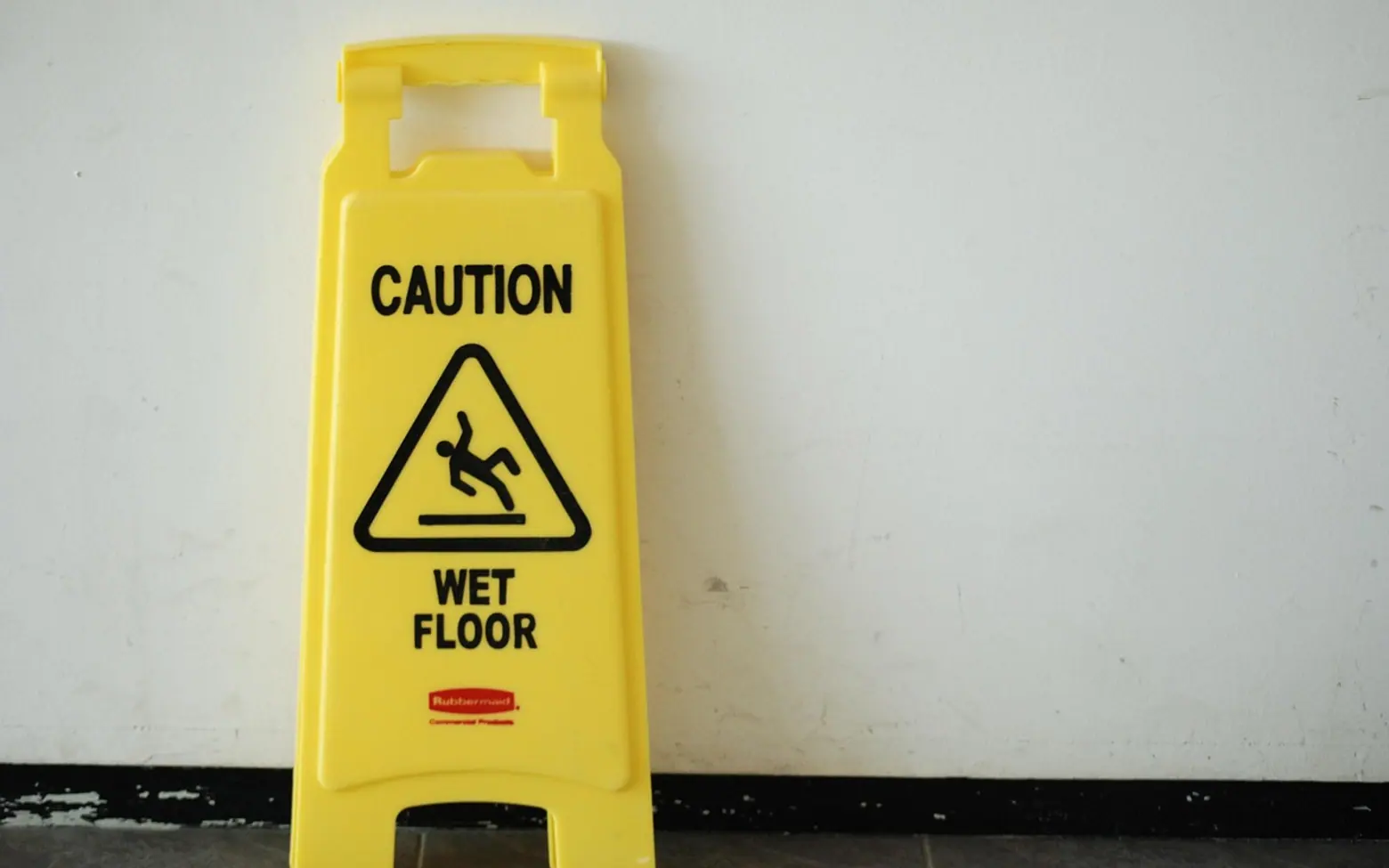
The first hour after a burst pipe or a flooded basement is a blur of buckets, towels and phone calls. The weeks that follow are calmer but more complicated: drying, insurance paperwork, permits and decisions about what to rebuild and how. Homeowners who understand how those pieces fit together usually end up with a smoother claim and a house that is better prepared for the future.
Phase one: stop, record, call
Safety comes first. If water is near outlets or the electrical panel, keep clear and switch off power only if it can be done safely. Shut the water supply where possible. Then document everything before cleaning up: photos and short videos of each affected room, the source of the water and the time it was discovered. A simple log of every action taken, from moving furniture to opening windows, helps later conversations with the insurer.
This is also the moment when many people type water restoration near me into a phone, and a responsive local team can make a real difference by arriving quickly, extracting standing water and setting up drying equipment before damage spreads into walls and floors.
Phase two: the claim conversation
Policies often distinguish water losses by source and by how long materials stayed wet. Clean water from a supply line handled promptly is usually treated differently from water that rose from outside or sat for days. Those distinctions affect which materials can be dried and kept and which must be removed. Restoration crews handle the technical side, measuring moisture and recommending a scope; adjusters review that scope against the policy. Ask both parties to explain their reasoning in writing, and keep copies. Because every policy is different, speak with your insurer, broker or an independent adviser if anything about coverage is unclear.
Phase three: drying with care for resources
Modern drying leans on measurement rather than guesswork. Crews use moisture meters and sometimes thermal cameras to find wet areas hidden behind surfaces. Efficient practices include:
- Drying materials in place where it is safe, instead of tearing out everything by default.
- Matching the number of dehumidifiers and air movers to the space, then reducing equipment as readings improve.
- Closing off the drying zone so equipment works on a smaller volume of air.
- Choosing gentle, appropriate cleaning products and disposing of waste responsibly.
Saving materials that can be dried well reduces landfill waste and often shortens the project.
Phase four: rebuilding to code and beyond
Repairs need to meet current local building codes, which may be stricter than when the house was built. Electrical work, insulation and certain structural repairs can require permits and inspections. Owners can also use the rebuild to improve resilience: moisture-tolerant materials in basements, raised outlets in flood-prone rooms, leak sensors near appliances and a clearly labelled main shut-off valve. Some policies cover code-related upgrades and some do not, so confirm this before work starts.
Keeping the paperwork together
At the end, collect the drying logs, invoices, permits and final inspection notes in one folder. These records support the claim, help with any warranty questions and reassure future buyers that the damage was handled properly. This overview is general information only; for decisions about coverage or construction, get professional advice from your insurer and qualified contractors.
Scribbled on the inside cover
Why our guides wander from the sofa to the kitchen
A good evening at home is never only about the screen. It is the snack bowl within reach, a room that is not too hot or too loud, and a host who is not stuck fiddling with a cable when guests arrive. That is why a soundbar guide can sit next to a piece on window glass here.
We write for the person about to try something this weekend, so we keep steps short, warnings close to the step they belong to and opinions clearly labelled as ours.
Fennimore, Clementia, Wendeline and Corwin