Hobby presents
How to Clean Old Vinyl Records Without Damaging Them
How to clean old vinyl records safely: dry brushing, a gentle wet clean with distilled water, keeping labels dry, drying, new sleeves and what to avoid.
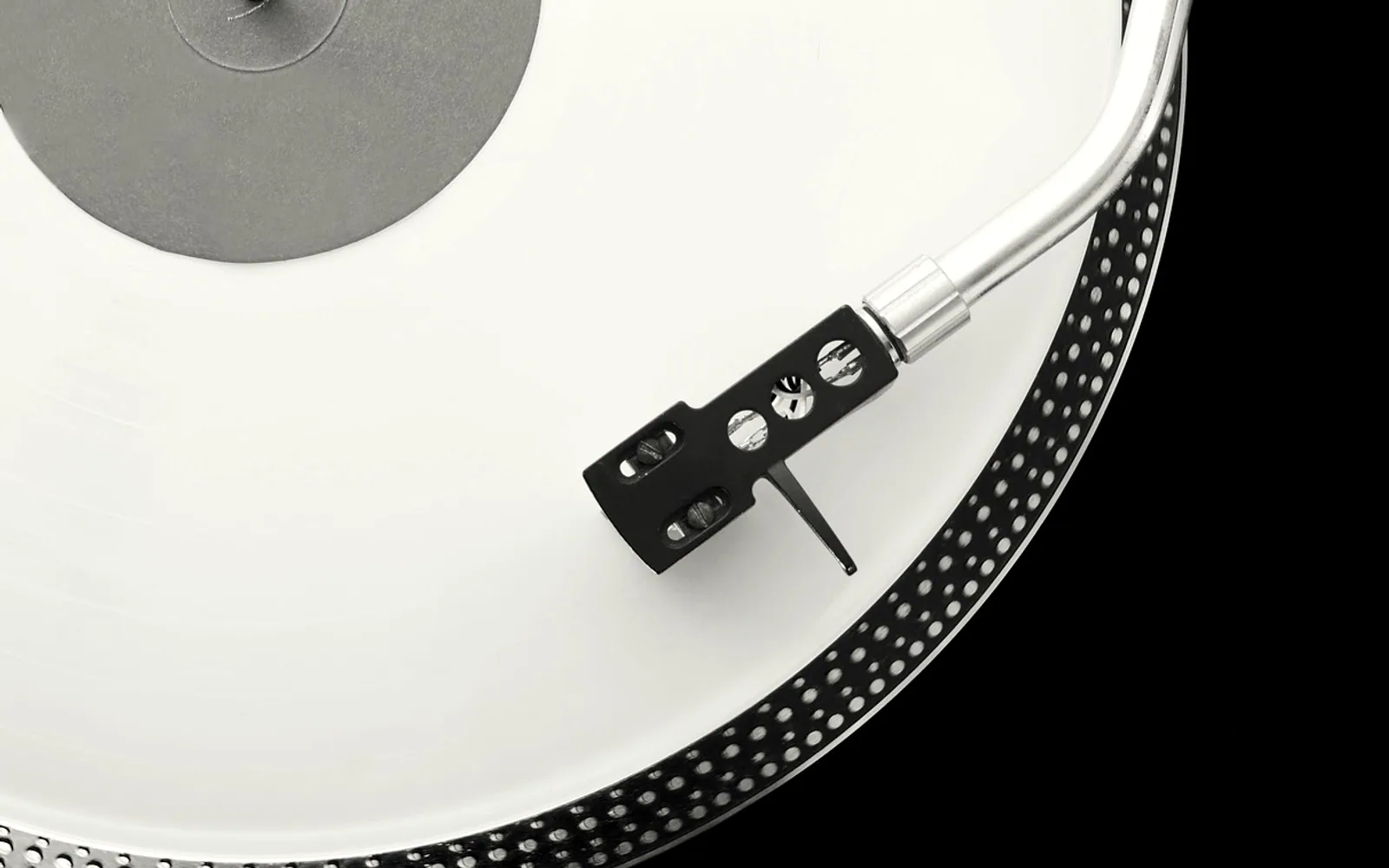
The safest way to clean an old vinyl record is to start dry and only go wet if you must: brush loose dust off with a carbon-fibre brush, then wash stubborn grime with distilled water and a tiny drop of mild cleaner, wiping along the grooves, keeping the label dry and letting the disc air-dry in a rack. Most of the crackle on a charity-shop find is dirt, not damage, and patience removes a surprising amount of it.
Why old records sound noisy
A stylus reads a groove narrower than a hair, so anything sitting in that groove gets played along with the music. Dust, skin oil from handling, mould spores from a damp loft and residue from old paper sleeves all show up as pops, hiss and a dull, veiled sound. Scratches are a different matter: a scratch usually clicks once per revolution in a regular rhythm, while dirt crackles at random. Cleaning will not repair a scratch, but it often reveals that a record you nearly binned is perfectly playable.
What you need
- A carbon-fibre record brush for quick dusting before every play.
- Distilled or deionised water. Tap water leaves mineral spots in the grooves as it dries.
- A purpose-made record cleaning fluid, or a very small amount of mild, fragrance-free washing-up liquid if that is all you have.
- Two clean microfibre cloths: one for washing, one for drying.
- A label protector (two discs that clamp over the label) or simply careful hands.
- A dish rack or record drying rack so the disc can stand on its edge.
Step by step: a gentle wet clean
- Dry-brush first. Hold the brush lightly on the spinning platter, or on the record lying flat, for a few turns, then sweep it slowly off the edge. Removing loose grit first stops you grinding it into the vinyl in the next step.
- Mix the solution. Use the cleaning fluid as directed, or add one or two drops of mild washing-up liquid to a cup of distilled water. More soap is not better; it leaves a film that needs extra rinsing.
- Protect the label. Fit the label protector, or keep your thumb and fingers over the centre. Paper labels stain and peel when they get wet.
- Wipe in the direction of the grooves. Dampen the cloth (not soak it) and move it in circles that follow the grooves, never straight across them. Light pressure is enough.
- Rinse. Go over the surface again with a cloth dampened only with distilled water to lift any soap residue.
- Dry. Pat along the grooves with the dry cloth, then stand the record upright in the rack until no moisture remains. Avoid heaters, hair dryers and sunny windowsills; heat warps vinyl.
- Re-sleeve. Put the clean disc into a fresh inner sleeve rather than the dusty paper one it came in.
Dry dusting versus a deep clean
| Situation | Method | How often |
|---|---|---|
| Record from your own shelf, a little dust | Carbon-fibre brush only | Before each play |
| Fingerprints or light haze | Brush, then a wet wipe with fluid and a distilled-water rinse | When the sound turns dull |
| Second-hand find, visibly grimy | Brush, wet clean, rinse, possibly a second round | Once, on arrival |
| Large collection or very dirty stock | Vacuum or ultrasonic cleaning machine | As a one-off batch job |
What to keep away from your records
- Household sprays and window cleaner. Many contain ammonia or solvents that can leave residue or affect the vinyl.
- Strong alcohol. Some record fluids include a small, diluted share of alcohol, but pouring neat rubbing alcohol on a disc is a risk that collectors generally avoid.
- Paper towels and tissues. They shed fibres into the grooves and can be slightly abrasive.
- Running the tap over the record. Besides minerals, it is almost impossible to keep the label dry.
- Glue peeling tricks. Spreading wood glue over a record and peeling it off is popular online, but it is messy, slow and leaves residue if anything goes wrong.
Keep the stylus clean too
A dirty stylus drags fluff from one record to the next and can sound just as noisy as a dirty disc. Brush it gently from back to front, in the direction the record moves, with a small stylus brush. Never wipe sideways and never use your finger. If a ball of fluff keeps forming under the needle, the records themselves probably need another clean.
Habits that keep records clean longer
Hold discs by the edges and the label only. Return each one to its sleeve as soon as it stops playing instead of leaving it on the platter. Store records upright, snug but not squeezed, and away from radiators and damp walls. Anti-static inner sleeves made of plastic or lined paper shed far less than plain card. A dust cover on the turntable, closed during play when possible, also helps.
Clean records sound their best when the room cooperates, so it is worth giving your listening corner some thought. A few soft furnishings that tame echo and keep the sound from bothering the neighbours make quiet passages easier to enjoy, and if your turntable has a built-in preamp, the advice on checking inputs and connections when choosing a soundbar applies to powered speakers as well.
Common questions
Can I use washing-up liquid on vinyl?
A drop or two in distilled water is a common home method for old, grimy discs. The key is a thorough distilled-water rinse afterwards so no film is left in the grooves. A dedicated record fluid avoids the guesswork.
Will cleaning remove scratches?
No. It removes dirt that sounds like damage. Rhythmic clicks that survive a careful clean are usually scratches, and they stay.
Is a microfibre cloth safe?
Yes, if it is clean and used gently along the grooves. Wash cloths without fabric softener, which leaves residue; the same rule applies when you wipe a TV screen without leaving streaks.
Should I clean new records?
A quick brush is enough for most. Some new pressings carry a little release agent or paper dust from the sleeve, and a single light wet clean can quieten them.
Collectors who enjoy rescuing tired records often turn to other kinds of old treasures next; the same least-force-first thinking appears in the guide on how to clean coins without wrecking their value.
Scribbled on the inside cover
Why our guides wander from the sofa to the kitchen
A good evening at home is never only about the screen. It is the snack bowl within reach, a room that is not too hot or too loud, and a host who is not stuck fiddling with a cable when guests arrive. That is why a soundbar guide can sit next to a piece on window glass here.
We write for the person about to try something this weekend, so we keep steps short, warnings close to the step they belong to and opinions clearly labelled as ours.
Fennimore, Clementia, Wendeline and Corwin