Travel presents
How to Make a Long Flight Go Faster
How to make a long flight go faster: downloads to prepare, splitting the hours into blocks, neck pillow types, staying comfortable and things to do offline.
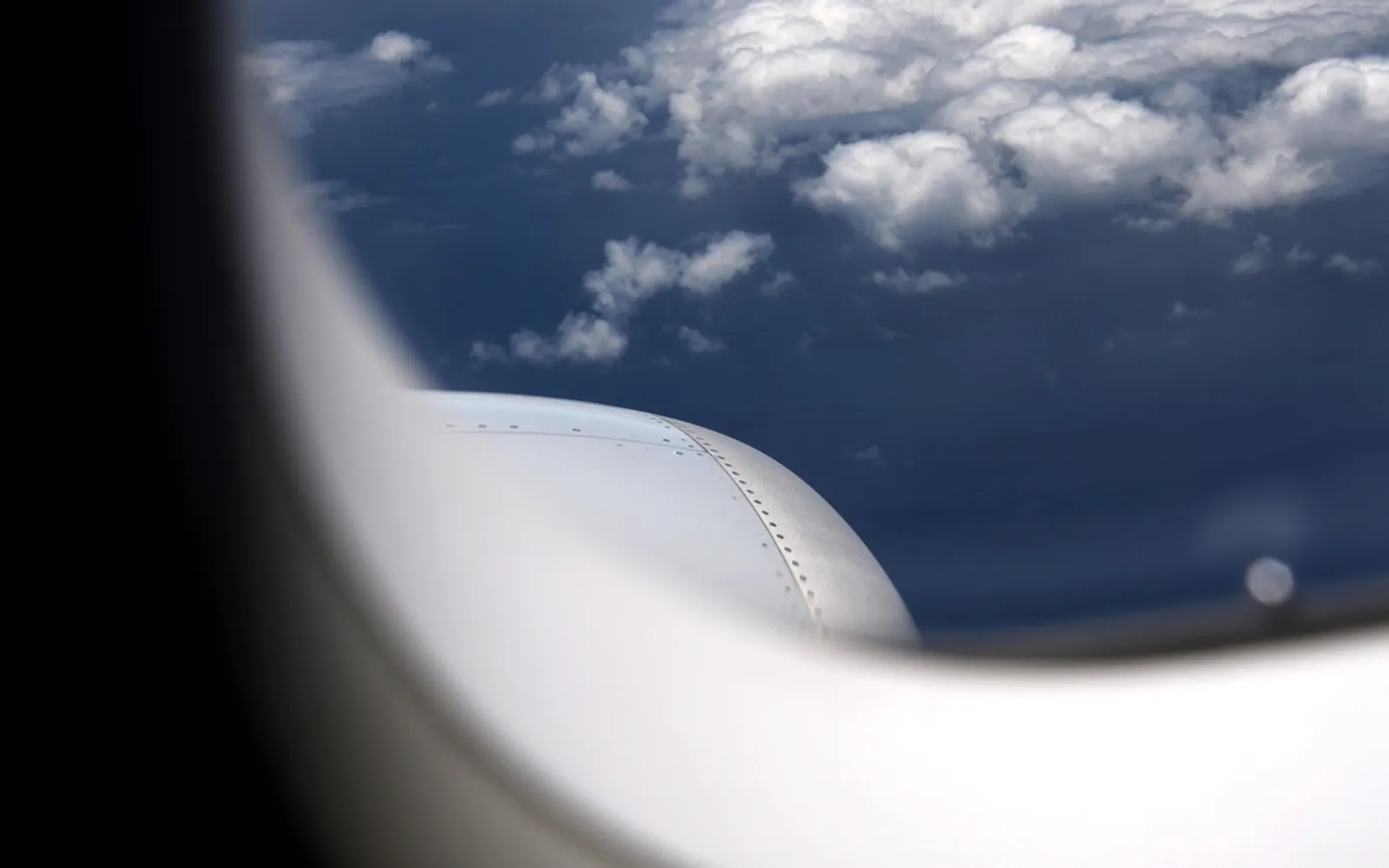
A long flight goes faster when you stop treating it as one endless stretch and split it into blocks: a meal, a film, a rest, a walk, a book, another film. Prepare the entertainment before you leave home, because in-flight Wi-Fi may be slow, limited or charged extra, and pack a few comfort items so sleeping and sitting still are easier.
Before you fly: load up
Most of the work happens the evening before departure.
- Download films and series. Many streaming apps let you save titles for offline viewing. Open each one once at home to check it plays without a connection. A phone or tablet screen does not need the largest files, so standard quality saves storage; the explainer on what 4K resolution is shows why screen size decides how much detail you can actually see.
- Save music, podcasts and audiobooks. An audiobook can carry you through several hours with your eyes closed.
- Pick a shortlist. Choosing what to watch eats more time than you expect on a small screen. Draft a short list the way you would plan the line-up for a movie night at home: one easy comedy, one film you have been meaning to see, one comfort rewatch.
- Charge everything. Phone, tablet, headphones and a power bank. Power banks generally have to travel in cabin baggage, so check your airline's rules.
- Bring wired headphones or an adapter. Seatback systems usually need a plug, and wireless earbuds will not connect to most of them.
Split the flight into blocks
Time drags most when nothing changes. A rough plan, built around the meal service and the destination's time zone, makes the hours pass in recognisable chunks.
| Block | What to do | Why it helps |
|---|---|---|
| Take-off and climb | Settle in, sort your bag, start a podcast | Low-effort listening while devices are restricted |
| First meal | Eat, then watch your first film | A meal plus a film covers a long stretch |
| Middle hours | Sleep or rest with an eye mask and earplugs | The cabin is often darkened, which makes resting easier |
| After resting | Walk the aisle, stretch, refill your water | Movement breaks the monotony and eases stiffness |
| Last few hours | Second film, a book or a puzzle | Something absorbing for the stretch that feels longest |
| Descent | Pack up, freshen up, plan your arrival | Thinking ahead turns waiting into preparation |
Comfort items that earn their space
Choosing a neck pillow for a long flight
The best neck pillow depends on how you sleep sitting up.
- U-shaped memory foam: supportive and familiar, but bulky in a carry-on.
- Inflatable: packs down small; firmness can be adjusted by letting a little air out.
- Wrap or scarf style: supports the chin and side of the head, good for people whose head drops forward.
- Window-seat cushion: sits between your head and the cabin wall.
Other small helpers
- An eye mask and earplugs, or noise-cancelling headphones.
- Layers: cabins swing between warm and cool, and a soft jumper doubles as a pillow.
- Loose clothing and shoes that slip off and on easily.
- A refillable water bottle, filled after security.
- Lip balm and moisturiser, as cabin air is dry.
Some travellers wear compression socks on long trips. Anyone with circulation concerns, recent surgery or other health conditions should ask a doctor for advice before flying long distances.
Things to do when the screen gets boring
- Crosswords, sudoku or a puzzle book.
- Sketching or writing a travel journal.
- Offline games on your phone that need no connection.
- Learning a few phrases for your destination from a downloaded app.
- Planning the first day of the trip, including where to eat; the guide to ordering sushi and ramen with balance in mind is handy if the arrival meal is Japanese.
- Card games with a travel companion on the tray table.
Mistakes that make it feel longer
- Watching the flight map. Checking the remaining time every few minutes stretches it.
- Too much caffeine. It makes rest harder when the cabin goes dark.
- Relying on in-flight Wi-Fi. If it is slow or unavailable, an empty phone is a long wait.
- Dead batteries. A drained device three hours in is a common regret; keep a charging cable in your seat pocket.
Quick answers
How do you sleep on a long flight?
Match your rest to the destination's night if you can, use an eye mask and earplugs, fasten your seatbelt on top of the blanket so it stays visible and crew have no reason to wake you, and avoid screens for a while beforehand.
Is a window or aisle seat better on a long flight?
A window seat gives you something to lean on and no one climbing over you. An aisle seat makes stretching and walking easier. Choose based on whether you plan to sleep or move.
Good audio makes every film and podcast more enjoyable at altitude; before packing, read how to clean earbuds and headphones safely so they are fresh for the trip.
Scribbled on the inside cover
Why our guides wander from the sofa to the kitchen
A good evening at home is never only about the screen. It is the snack bowl within reach, a room that is not too hot or too loud, and a host who is not stuck fiddling with a cable when guests arrive. That is why a soundbar guide can sit next to a piece on window glass here.
We write for the person about to try something this weekend, so we keep steps short, warnings close to the step they belong to and opinions clearly labelled as ours.
Fennimore, Clementia, Wendeline and Corwin